

This pet health content was written by a veterinarian, Dr. Pippa Elliott, BVMS, MRCVS. It was last reviewed on August 30, 2024

Understanding Cat Bladder Infection and FLUTD
The soreness of a cat bladder infection, often part of feline lower urinary tract disease (FLUTD), is not something you want your cat to experience repeatedly. Unfortunately, this is the reality for some unlucky cats who struggle with ongoing urinary issues.
To better understand this condition, it’s essential to identify the underlying causes, which may include:
- Crystals in the urine
- Bladder stones
- Bacterial infection
- Nerve-related discomfort
It’s more accurate to refer to these issues as FLUTD rather than just cystitis. FLUTD is a broad term encompassing several conditions that produce similar symptoms. You can think of FLUTD as a movie theater, with cystitis being just one of the films playing.
What Are the Signs of a Cat Bladder Infection and FLUTD?
Let’s start at the beginning. How do you know if your cat has bladder problems? A cat bladder infection, often part of FLUTD, can cause discomfort when passing urine. Watch for one or more of the following signs:
- Repeated squatting
- Straining to pass urine
- Growling while urinating
- Peeing outside the litter box
- Blood in the urine
- Lack of appetite
- Excessive licking of the rear end
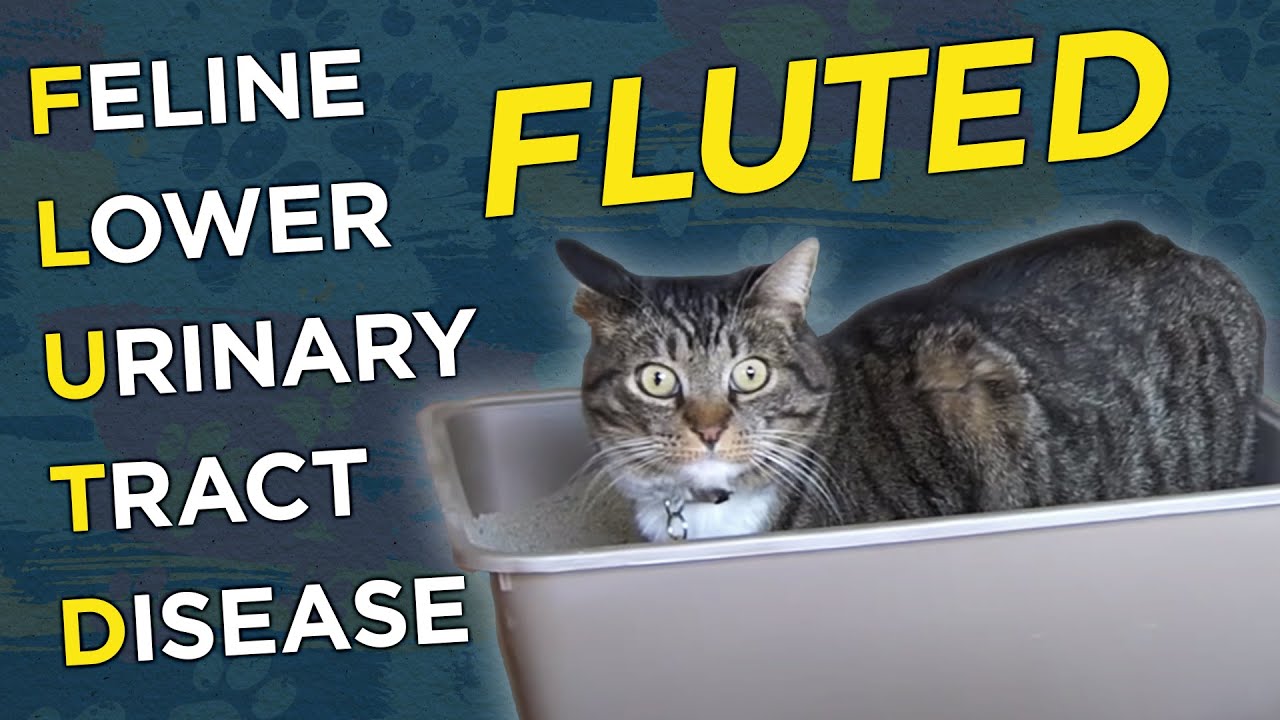
In this video, Dr. Alyssa Mourning discusses FLUTD and how to recognize the clinical signs:
Bluebell’s Struggle: Peeing Outside the Litter Box Due to a Cat Bladder Infection
Bluebell, a young Burmese with impeccable litter box habits, suddenly started peeing outside the box. She also couldn’t cross a room without stopping to squat. Concerned, her mom brought her in for an examination.
A urine sample revealed blood, which can indicate:
- Infection
- Inflammation
- Irritation
Although typically uncommon in younger cats, Bluebell was diagnosed with a cat bladder infection and started on antibiotics. Initially, she improved but soon relapsed, squatting on the carpet again.
Further tests revealed:
- Four bladder stones
- Irritation and inflammation of the bladder lining
- A metabolic quirk in Burmese cats leading to oxalate stone formation
Bluebell required surgery to remove the stones. While she recovered well, there is a chance she may develop new stones in the future.

Other Causes of Cat Bladder Infection and Discomfort
Bladder stones and infections aren’t the only causes of bladder soreness in cats. Here are four more potential culprits:
- Crystals in the Urine
Certain foods high in minerals can lead to the development of crystals in the urine, which act like sandpaper inside the bladder. - Polyps
Polyps are stalks of extra tissue that form within the bladder, often due to irritation. - Cancer
Older cats may sometimes develop a tumor at the bladder neck, leading to discomfort. - Idiopathic Cystitis
A significant number of young or middle-aged cats suffer from idiopathic cystitis. This condition, often triggered by stress, causes inflammation in the bladder wall without a clear underlying cause.
Idiopathic cystitis is a diagnosis of exclusion, meaning other potential causes must be ruled out first. In Bluebell’s case, an ultrasound revealed that bladder stones, not stress, were the root of her problem.
Don’t Delay
If your cat shows signs of bladder discomfort, seek veterinary advice immediately. These conditions can be painful, and in severe cases, a blockage may form in the urethra, preventing the cat from passing urine—a situation that is very serious.
Preventative Measures to Reduce Cat Bladder Infections
Preventing cat bladder infections involves a combination of proper diet, hydration, and regular veterinary check-ups. To reduce the risk of infection, consider the following measures:
- Ensure your cat has access to fresh, clean water at all times
- Feed a balanced diet that supports urinary health
- Regularly clean the litter box to reduce the risk of bacterial growth
- Schedule regular veterinary check-ups to monitor your cat’s urinary health
- Minimize stressors in your cat’s environment, which can trigger urinary issues
The Role of Diet in Managing and Preventing Bladder Infections
Diet plays a crucial role in managing and preventing cat bladder infections. Feeding your cat a diet that is low in minerals like magnesium, phosphorus, and calcium can help reduce the risk of crystal and stone formation. Consider these dietary guidelines:
- Choose a high-quality, low-mineral commercial cat food designed for urinary health
- Provide wet food to increase water intake and help dilute urine
- Avoid feeding your cat table scraps or high-sodium treats
- Consult your veterinarian for a diet plan tailored to your cat’s specific needs
How Stress Impacts Cat Bladder Health
Stress can significantly impact your cat’s bladder health, often leading to conditions like idiopathic cystitis. To help manage and prevent stress-related bladder issues, consider the following:
- Create a calm and stable environment with minimal changes
- Provide plenty of enrichment, such as toys and scratching posts, to reduce boredom
- Ensure your cat has safe, quiet spaces to retreat when feeling overwhelmed
- Maintain a consistent routine for feeding and litter box cleaning
- Use pheromone diffusers or sprays to create a calming atmosphere
Frequently Asked Questions (FAQ)
How to tell if your cat has a bladder infection?
Look for signs such as straining to urinate, blood in the urine, frequent urination, or peeing outside the litter box.
How to treat cat bladder infection?
Treatment typically involves antibiotics prescribed by a veterinarian, along with ensuring your cat stays hydrated.
