
This expert guide to how kids can help animals in shelters was written by former animal shelter worker Allison Gray, longtime pet foster mom Tamar Love Grande and certified veterinary technician Kristene Carroll. Writer C.D. Watson, who has been researching and writing about animal welfare causes for years, and Sean Green of PetMOZ also contributed to this article.
How Kids Can Help Animals in Shelters
Most kids we’ve met want to hug and pet every fuzzy 4-legged critter they can wrap their arms around. Children love animals, and that’s precisely why getting kids involved with helping animal shelters is such a great idea.
It’s not always simple to determine how kids can help animals in shelters, though, especially for very young children. However, there are numerous ways for kids of all ages to contribute — whether from home, in school, or directly at the shelter.
In this expert guide on how kids can help animals, we’ll cover:
- Simple shelter volunteer tasks for kids, with suggestions for appropriate age groups
- How (and why) to celebrate your child’s birthday party at an animal shelter
- Ways kids can spread awareness about animal welfare among their peers
- Creative ideas to get children involved, including a fantastic reading program that benefits both kids and animals
By finding the right balance of activities, you can ensure that kids are actively engaged in helping animals while learning valuable lessons in compassion and responsibility.
Why Kids Should Get Involved With Animal Shelters
Animal shelters depend entirely on donations and community support. Operating a shelter is an act of love that demands an enormous amount of dedication, time, and energy. It’s crucial to show kids the importance of responsible pet care and the significant role animal shelters play in our communities.
Through involvement with shelters, children gain a sense of accomplishment and the rewards that come from helping animals in need.
Age-Appropriate Involvement in Animal Shelters
Not all children are capable of or should be allowed to perform, some of the tasks that shelter volunteers manage. However, almost every age group can find a way to contribute:
- High school teens (16–18 years old) can:
- Walk and socialize dogs
- Feed and clean up after the pets
- Clean the shelter or provide landscaping services
- Kids in junior high (13–15 years old) can:
- Groom docile pets
- Prepare meals
- Distribute toys
- Children 12 and younger can help with their parents to:
Keep in mind that most shelters have age restrictions for their volunteers and may require a parent or guardian to be present with volunteers younger than 18. Some shelters don’t allow very young volunteers, or they may have specific days set aside for them.
For instance, Austin Pets Alive! in Texas works with another organization to host volunteers younger than 12 each month.
Check with your local shelter to understand its specific needs and volunteer policies.

How Kids Can Help Animals in Shelters
In recent years, there has been a growing trend among parents to teach their children the value of volunteering. Schools are also joining in, with many high schools across the country requiring students to complete a certain number of volunteer hours before they can graduate.
Easy Projects at the Shelter
Because of insurance concerns, some shelters and rescues do not allow children younger than 16 to work directly with the animals. However, kids can still make a significant impact by helping out in other ways. Here are a few ideas:
- Assist with minor clerical tasks, such as:
- Stuffing envelopes
- Volunteering at charity events
- “Helping” you transport supplies or rescued animals from one location to another
Organizing a Pet Supply Drive
Not all involvement with animal shelters needs to happen on-site. Children can contribute, raise awareness, and benefit shelters from the comfort of your home or within the community.
One impactful way is by organizing a pet supply drive at school, church, or within your community. This activity can raise awareness about local shelters and the many benefits of adopting a pet instead of buying one.
- Here’s how to get started:
- Encourage participants to bring in pet food, treats, collars, leashes, toys, blankets, and beds.
- Even old newspapers and used linens may be valuable to the shelter—check with the shelter staff about their current needs.
Once the supplies are gathered, you and your child can drop them off at your local animal rescue or shelter. Kids often find it rewarding to see the direct impact of their efforts, and this experience teaches them a lifelong lesson in kindness and responsibility.

Donation Canisters for Local Shops
Animal shelters operate on very lean budgets, with the estimated cost of housing an animal at a shelter ranging from $3 to $25 a day. Even a few dollars can feed a homeless animal for an entire week.
Help your child reach out to local stores and restaurants to see if they would keep a donation canister at their register. The loose change that customers drop in can add up quickly.
- Additional ideas:
- Ask your veterinarian if your child can place a large can in the lobby to collect donations of food and supplies for shelter animals.
Teaching Tithing for Animal Welfare
If your child receives an allowance, you can teach them a valuable life lesson by having them set aside a certain percentage to donate to an animal charity.
- A simple approach:
- Encourage your child to set aside 10% of their allowance. For example, if they get $10 a week, saving just $1 for charity isn’t difficult.
- Have your child put the money in a jar and select an animal charity they’d like to support.
- Once a month, they can empty the jar and send the money to the chosen organization.
Participating in a Charity Walk for Animals
If your child is old enough to walk a mile or so, consider entering them in a charity walk that benefits animal welfare organizations. These events are not only fun but also help raise awareness and funds for shelter animals.
- Preparing for the walk:
- Just like in regular charity walks, your child will need to collect sponsorships to participate.
- Engage family, friends, and neighbors to sponsor your child’s efforts.
Altruistic Birthday Party
One of our readers shared a heartwarming story about her 7-year-old son, who recently donated his birthday presents to shelter animals. Instead of receiving gifts for himself, he asked his friends to bring something for the local animal shelter.
- The generous donations included:
- Pet food, toys, beds, and blankets
- Even contributions from the guests’ piggy banks
By the end of the party, her son had collected a large pile of supplies and $14.05. Although the amount was small, it meant the world to the kids that they were able to help homeless and needy animals.
Hosting a Bake Sale for Shelter Animals
Bake sales may be old-fashioned, but they’re a sweet (pun intended) way for kids to raise money for an animal shelter. These events are also great for involving more people in the cause.
Collaborating with shelter volunteers, friends, or other community members can help brainstorm even more creative ideas. Not only does the shelter benefit from the exposure and raised funds, but the children also gain a strong sense of achievement by contributing to the shelter’s success.
Car Wash for a Cause
Organizing a car wash is another fantastic way for kids to raise funds for animal shelters.
- Here’s how to make it work:
- Set a minimum fee per wash, or simply ask customers for a donation.
- Make sure to explain the great cause the funds will support.
- Speak with shelter staff beforehand—they may even be able to send a representative with a couple of adoptable pets to the event.
These activities allow kids to actively participate in helping animals while also fostering a sense of community and responsibility.
Throw Your Kid’s Birthday Party at the Shelter
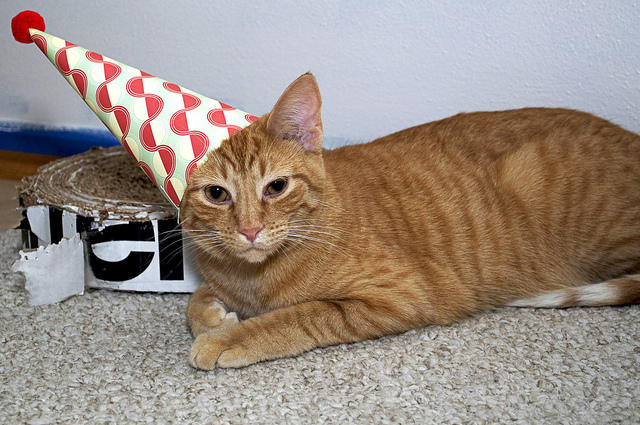
Many animal shelters offer space for parties, making them a unique and meaningful venue for celebrating your child’s special day. Instead of hosting a birthday party at home, consider having the guests venture out to a shelter, where they can play with animals while sipping juice and singing “Happy Birthday.”
Reasons to Have a Birthday Party at an Animal Shelter
Hosting a kid’s birthday party at an animal shelter offers numerous benefits:
- It’s Affordable:
- The party fee varies depending on the shelter, but it’s usually a fraction of the cost of more expensive venues. In some cases, it’s even free.
- Call your local animal shelter for a quote and availability.
- It Helps Homeless Animals:
- Throwing a party at a shelter gives homeless animals the rare opportunity to enjoy life outside their cages. They get to mingle with the kids, receiving much-needed attention and affection.
- It’s an Unforgettable Experience:
- How many animal shelter parties have you been to? This unique experience is something your guests won’t forget, and the joy of partying with shelter animals will be talked about for weeks.
- It’s All for a Great Cause:
- Instead of bringing gifts for your child, you can ask guests to bring something small for the shelter animals, like a bag of food or toys. This teaches kids valuable lessons in selflessness and compassion.
Supporting the Shelter in Multiple Ways
By throwing a birthday party at an animal shelter, you’re helping the organization in several meaningful ways:
- Raising Awareness:
- Hosting your party at the shelter brings attention to the organization, potentially inspiring others to support their cause.
- Financial Support:
- If the shelter charges a small fee for the party, those funds go directly to supporting the shelter’s operations.
- Providing Resources:
- Encouraging guests to bring donations, like food or toys, helps the shelter take better care of its animals, improving their quality of life.
This approach to celebrating a birthday not only creates lasting memories but also makes a positive impact on the lives of animals in need.
Other Ways That Kids Can Help Animal Shelters
There are many additional ways for kids to get involved in helping animal shelters beyond individual efforts. Schools and groups can play a significant role in raising awareness and providing support.
Class Field Trips and Lessons
Many animal shelters offer educational support through various programs, including shelter tours, school presentations, and even sponsored events.
- These visits often include:
- Hands-on time with the animals, creating a lasting impression on the children
- Educational sessions that teach kids about animal welfare, the importance of shelters, and how they can contribute
Child-Friendly Events and Activities
In addition to education and outreach at the shelters, some rescue groups sponsor special events that are perfect for children, such as:
- Birthday Parties:
- Some shelters host birthday parties, giving kids the chance to celebrate while helping animals in need.
- After-School Story Time:
- Shelters may offer child-friendly events like after-school story time, where kids can read to animals, fostering both literacy and empathy. (More on this in the next section.)
These activities not only provide a fun and engaging experience for children but also help them develop a lifelong commitment to animal welfare.
Use this video to teach your kids about how animal shelters work:

Story Time at the Shelter
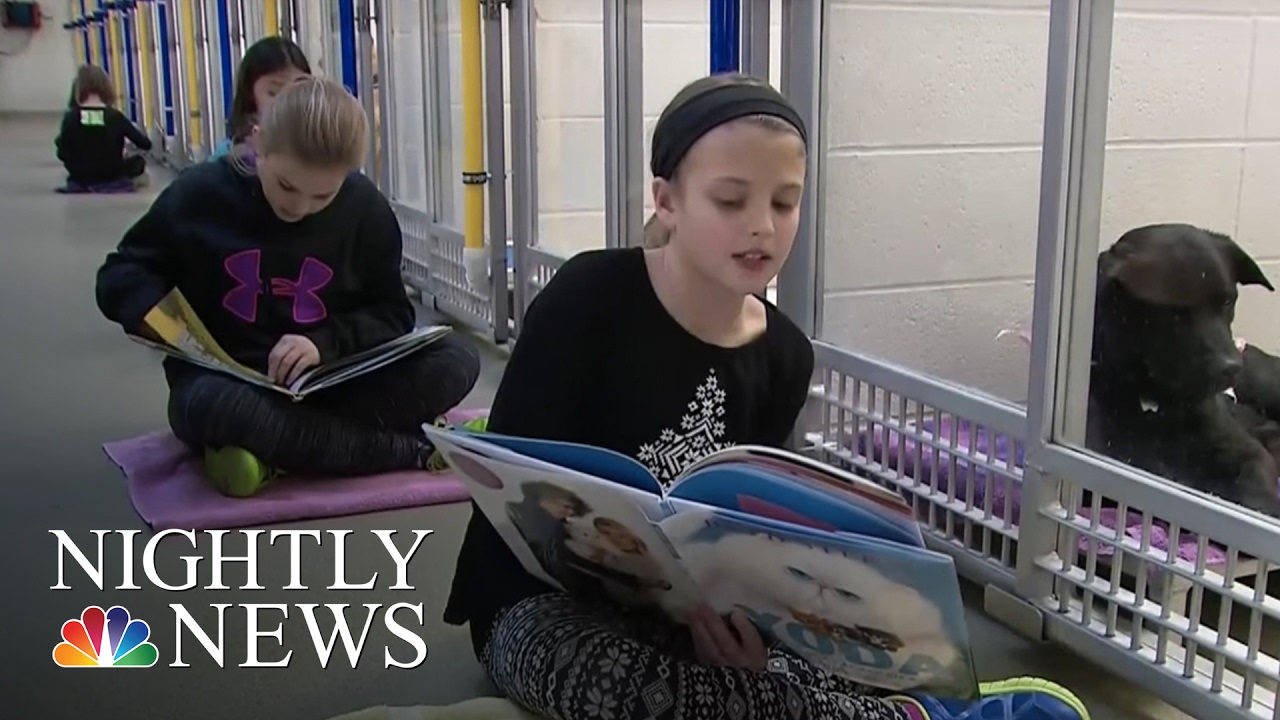
One of our favorite shelter programs for kids is offered by the Humane Society in Missouri, combining children, dogs, and the joy of learning to read. This unique initiative invites children to volunteer their time by reading to the dogs in the shelter.
How the Program Benefits the Dogs
Dogs in shelters often experience high levels of stress, especially those who struggle to adjust to the shelter environment. The Story Time program is designed to help these dogs in several ways:
- Encourages Curiosity:
- The presence of children reading nearby eventually makes the dogs more curious, prompting them to move toward the front of their cage.
- Non-Threatening Interaction:
- The kids simply sitting and reading creates a non-threatening atmosphere, helping the dogs become more comfortable with human interaction.
- Increases Adoption Chances:
- As the dogs become more comfortable and interactive, their chances of being adopted improve significantly.
How the Program Benefits the Kids
This activity is also a win-win for the children, offering them a unique opportunity to improve their reading skills in a supportive environment.
- Improved Reading Skills:
- Parents and teachers have noticed significant improvements in children’s reading abilities. The dogs, being excellent listeners who offer no judgment, help the kids relax and learn without pressure.
- Confidence Building:
- The non-judgmental nature of the dogs allows children to read without fear of making mistakes, boosting their confidence in reading.
Here’s NBC’s report on the Shelter Buddies Reading Program:
Expanding the Success of Shelter Buddies
Due to the success of the Story Time program, a number of shelters across the nation have begun to adopt similar initiatives. The program in Missouri, known as Shelter Buddies, has become a model for others. You can learn more about it on the Humane Society of Missouri’s website.
Sharing a Love for Animals
If your child is a frequent volunteer or visitor at your local shelter, they can share their experiences with their peers at school. This not only spreads awareness but can also inspire others to get involved.
Consider discussing these ideas with your child:
- Show-and-Tell:
- If your child’s class has a show-and-tell, they can bring pictures, videos, or information about the shelter. With approval from the school, you might even join your child with your own adopted pet, which is sure to grab attention.
- Writing a Report:
- If your child has to write a report for school, they could focus on animal shelters and the benefits of adopting and volunteering. This is a great way to combine their passion with their schoolwork.
- Volunteering to Post Flyers:
- Encourage your child to post flyers in approved public areas, helping to spread the word about the shelter.
- Wearing Their Heart on Their Sleeve:
- Kids can proudly wear apparel or stickers that promote their favorite shelter or animal welfare organization, helping to raise awareness.
Spreading the word at school could result in more volunteers for the shelter and possibly more adoptions. While the impact children have on shelters may seem small now, the lessons they learn will help them grow into adults whose empathy toward animals will make the world a better place.
For pets, pet lovers, and shelters, this can only be a good thing.
Watch the kids at this school raise funds for their local animal rescue in this video:

Frequently Asked Questions (FAQ)
How can kids take care of animals?
Kids can take care of animals by feeding them, providing fresh water, and ensuring they have a clean and safe environment.
How to be helpful to animals?
Being helpful to animals involves showing kindness, ensuring they have proper care, and supporting animal welfare initiatives.
Why should we help animals for kids?
We should help animals because they rely on us for their well-being, and helping them teaches compassion and responsibility.
How to care and protect animals?
To care for and protect animals, provide them with love, shelter, and medical attention, and advocate against animal cruelty.
